The way people train for a career in aesthetics has changed. Where formal, full-time classroom programs were once the only option, students today can choose from fully online courses, in-person training, and hybrid models that blend the two. Each path has genuine advantages, and the right choice depends on your schedule, your learning style, and the type of work you want to do. This guide breaks down online versus in-person aesthetic training in Canada so you can make a confident decision.
The Case for Online Aesthetic Training
Online courses have opened the door to aesthetic education for people who could never have committed to a fixed classroom schedule. The biggest advantage is flexibility. You can study the theory at your own pace, around work and family commitments, and revisit lessons as often as you need. For students in smaller communities or remote parts of Canada, online learning removes the need to relocate or commute long distances to a major city.
Online training is particularly strong for the knowledge-based components of aesthetics: skin anatomy and physiology, the science behind treatment technologies, product chemistry, contraindications, sanitation standards, and client consultation principles. These are subjects that translate well to video lessons, written materials, and online assessments. Online courses also tend to cost less than equivalent in-person programs, and they let motivated students move quickly through material they already understand.
The Case for In-Person Training
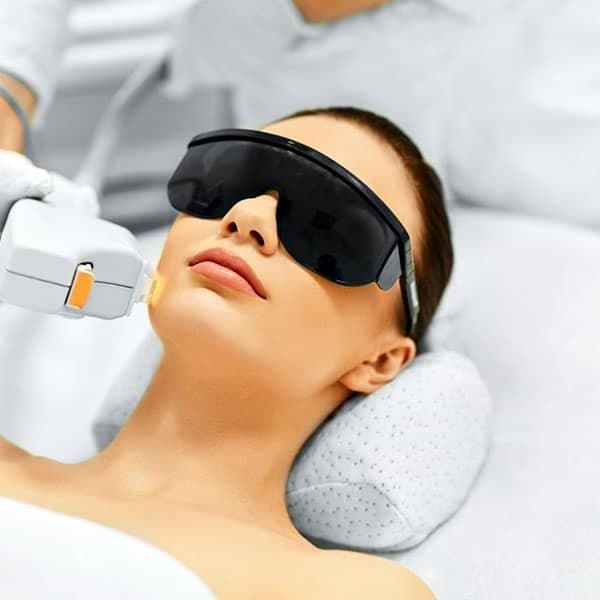
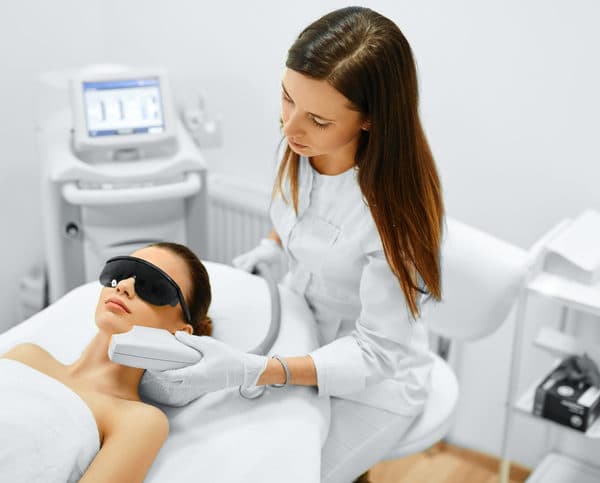
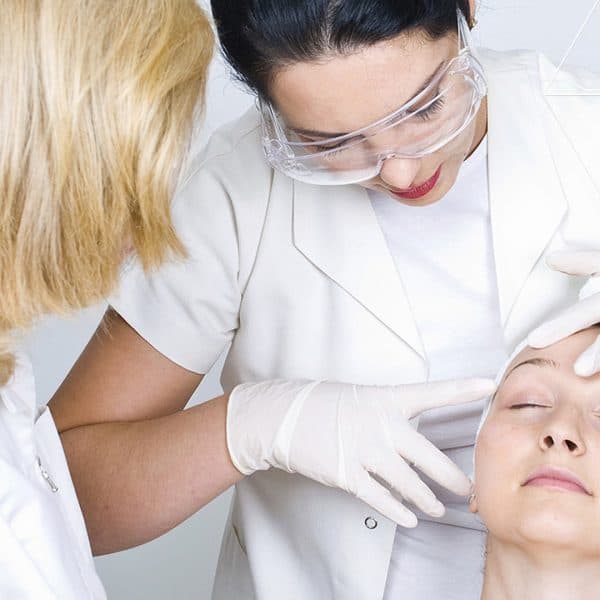
Aesthetics is a hands-on profession, and there is no substitute for supervised practical experience. In-person training is where you develop the muscle memory, timing, and judgment that separate a confident practitioner from someone who only understands the theory. Working with professional-grade equipment on live models, under the guidance of an experienced instructor who can correct your technique in real time, is the single most valuable part of any aesthetic education.
In-person training also builds the soft skills that matter in a real clinic: reading a client's comfort level, managing the flow of an appointment, and handling the unexpected. Employers know this, which is why hands-on clinical hours carry significant weight when they evaluate a candidate's credentials. For treatments involving lasers, needles, or energy-based devices, practical certification is essential for both safety and insurability.
Why a Hybrid Approach Often Wins
For most students, the strongest option combines the best of both worlds. A hybrid model lets you complete the theoretical coursework online, on your own schedule, and then attend focused in-person sessions for the hands-on training and assessment. This approach minimises time away from work and home while ensuring you still graduate with the practical competence employers expect.
This is exactly why our courses are designed to be accessible both online and in person. Students can build their foundational knowledge through flexible online learning and complete their practical, hands-on certification at our Coquitlam training centre. The result is a credential that carries real weight, earned in a way that fits a busy life.
Questions to Ask Before You Enrol
Whichever format you are considering, evaluate any program against a few key criteria:
- How many supervised hands-on hours are included, and are they performed on live models?
- Is the certification recognised by employers in the aesthetics industry?
- What equipment and technologies will you train on?
- What support is available after graduation, including job placement guidance?
- For online components, can you ask instructors questions and receive feedback?
Be cautious of any fully online program that promises certification in treatments that clearly require hands-on practice. A course that certifies you to perform laser or injectable procedures without any in-person clinical training should raise immediate concerns about both quality and safety.
Matching the Format to Your Goals
If your goal is to add knowledge to an existing practice, or to begin with the theoretical foundation before committing to hands-on work, online learning is an excellent and affordable entry point. If you want to work in a clinic performing treatments, you will need substantial in-person training, and a hybrid program gives you that without sacrificing flexibility. Think about where you want to be in two years and choose the path that gets you there with the skills and credentials to back it up.
Getting Started
The most important decision is not online versus in-person, but choosing a reputable institution with experienced instructors and genuine hands-on training. BC Medical Aesthetic offers industry-certified courses available both online and in person, designed to fit your schedule while preparing you for a real career. Explore our course catalogue to find the program and format that match your goals.
Frequently Asked Questions
Is online aesthetic training recognised in Canada?
The theoretical portion of aesthetic training translates well to online learning, but treatments involving lasers, needles, or energy devices require supervised hands-on hours to be credible and insurable. The strongest recognised programs use a hybrid model: online theory plus in-person practical certification. BC Medical Aesthetic is a certified career-college instructor through the National Association of Career Colleges (NACC).
Can you become certified in aesthetics fully online?
You can complete knowledge-based components fully online, but be cautious of any program promising certification in hands-on treatments without in-person clinical training. For laser, injectable, and energy-based procedures, supervised practical hours on live models are essential for both safety and employability.
Is online or in-person aesthetic training cheaper?
Online courses generally cost less than equivalent full in-person programs because they remove facility and live-model overhead. A hybrid program keeps costs down by delivering theory online while concentrating the more expensive hands-on training into focused in-person sessions.
Does BC Medical Aesthetic offer online courses?
Yes. Our courses are available both online and in person. Students build foundational knowledge through flexible online learning and complete their practical, hands-on certification at our Coquitlam training centre.