The Question Behind the Question
If you are researching laser technician programs in British Columbia, you have probably noticed two very different price points. On one side are inexpensive online-only courses promising a certificate in a weekend. On the other are hands-on programs that cost more and take real classroom time. It is fair to ask which is worth it — and, more importantly, which one actually gets you hired.
The honest answer is that both have a role, but they are not interchangeable. Online theory can teach you the science. It cannot teach your hands what 12 joules feels like on a real client with Fitzpatrick type IV skin. Below is a balanced look at what each format does well, what employers and insurers in BC genuinely require, and how to evaluate a program before you spend a dollar.
What Online-Only Laser Courses Actually Teach
Let me be clear up front: online theory is useful. A good online module can teach you a lot of the foundational knowledge every laser technician needs, and reviewing it before lab work makes your hands-on time far more productive.
Online learning is genuinely valuable for:
• Laser and light physics — wavelengths, pulse duration, fluence, and how they interact with tissue • Skin science — the Fitzpatrick scale, chromophores, and how melanin and hemoglobin absorb energy • Safety theory — eye protection, contraindications, and emergency procedures in principle • Client consultation basics, consent, and documentation • Pre- and post-treatment care guidelines
This knowledge is real and necessary. The problem is not that online courses teach theory — it is that some market theory as if it were a complete qualification. A certificate that only proves you watched videos does not prove you can safely operate a device, and that gap is exactly where careers stall.
What Theory Alone Cannot Give You
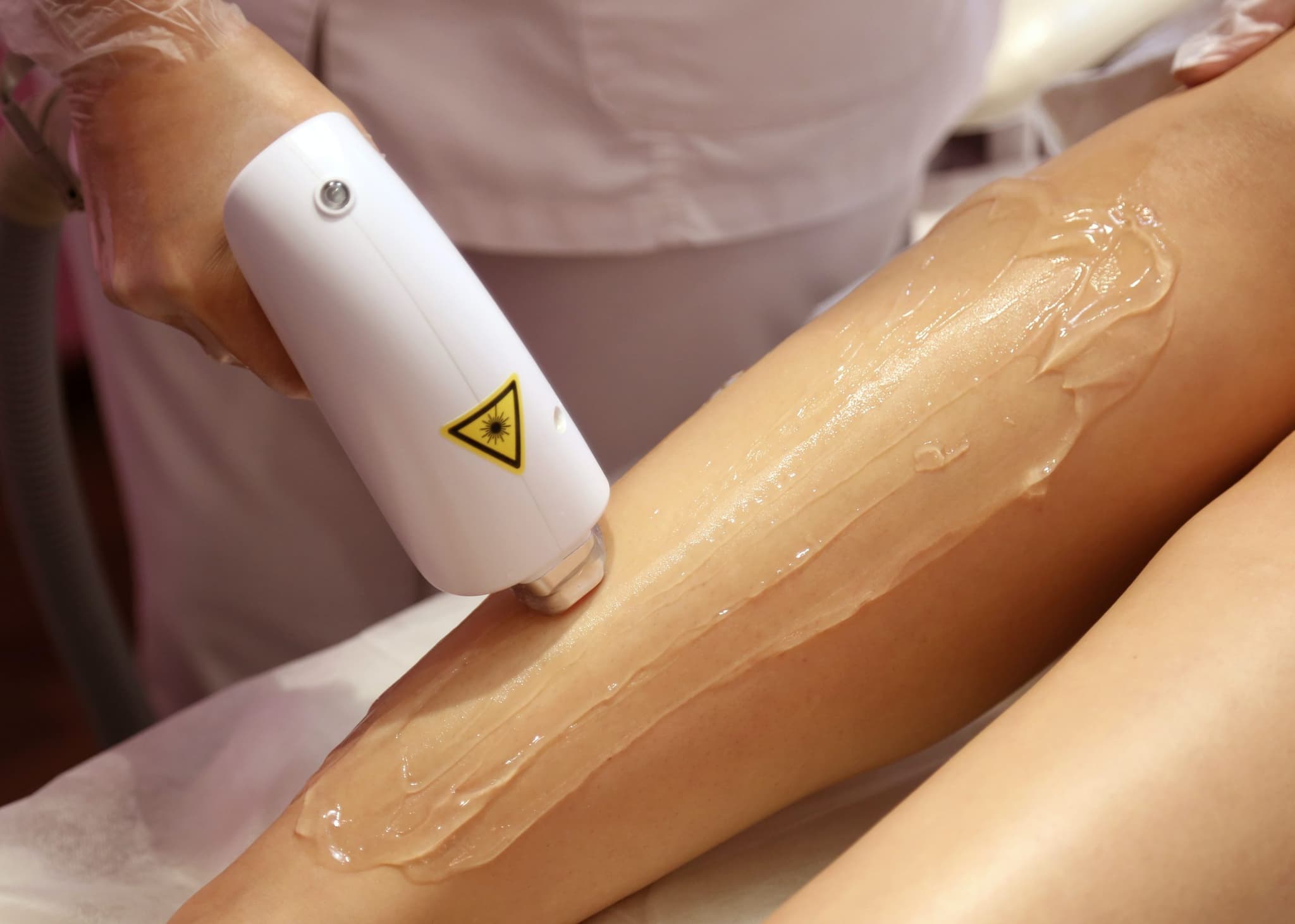
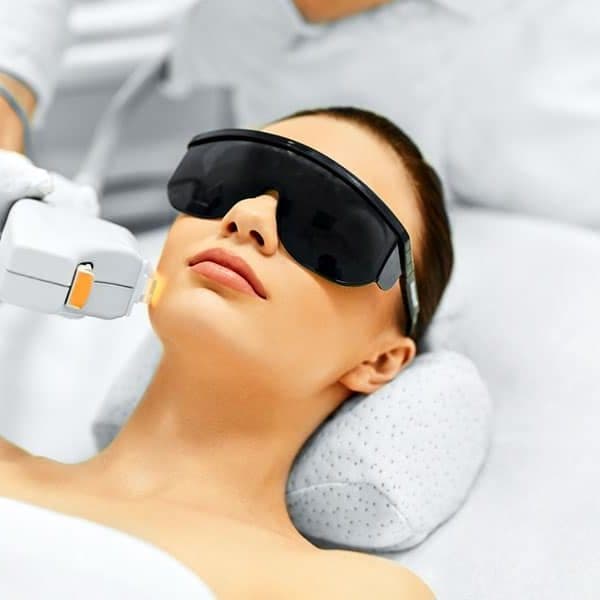
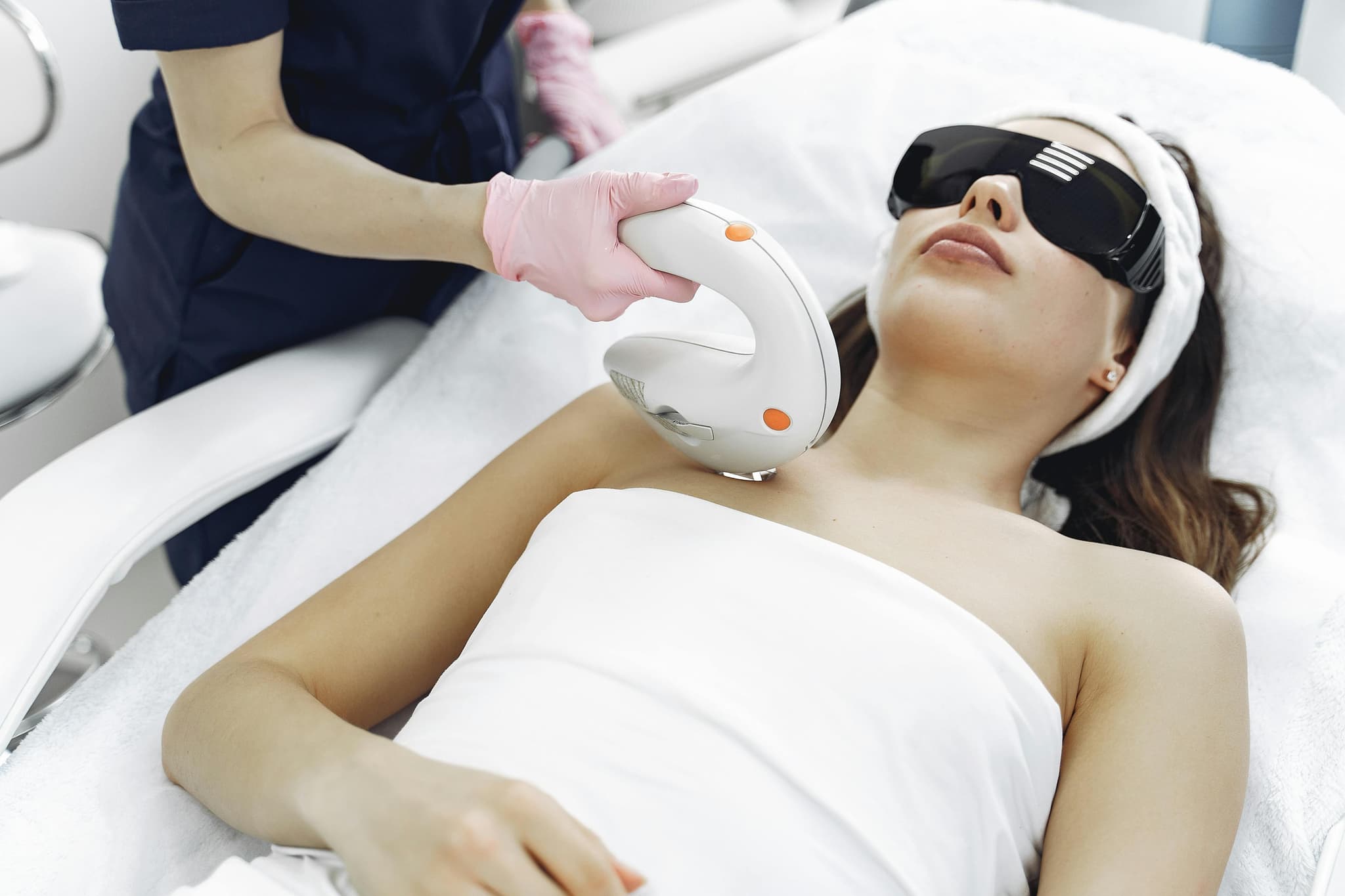
Operating a laser is a physical, judgment-heavy skill. No video can build the muscle memory and real-time decision-making that treating actual skin develops. Consider what happens in a live treatment that no slide deck prepares you for:
• Adjusting settings on the fly when a client's skin reacts differently than the chart predicted • Recognizing the difference between a normal endpoint and an early warning sign of a burn • Handling the angle, speed, and overlap of the handpiece so coverage is even • Managing a nervous client, their pain feedback, and your own pacing at the same time • Switching confidently between different platforms — IPL, diode, Nd:YAG, CO2, and Fotona 4D systems all behave differently
These are the skills a clinic actually pays for. They can only be built on real clients under supervision, which is why our laser training puts students on real, paying clients rather than mannequins from early in the program.
There is also a confidence factor that is easy to underestimate. Your first day on the job should not be the first time you have ever held a live handpiece to someone's face. Graduates who trained only on theory often freeze in that moment, and clinics notice quickly. Graduates who have already completed dozens of supervised treatments walk in calm, ask the right questions during consultation, and start contributing almost immediately. That difference in readiness is frequently what separates the candidate who gets the offer from the one who gets a polite rejection.
What Employers and Insurers in BC Actually Require
Here is a detail that surprises many people. British Columbia does not issue a specific provincial laser licence. There is no government exam that certifies you to fire a laser. That absence leads some online programs to imply that any certificate is good enough.
In practice, the opposite is true. Because there is no statutory licence, employers and liability insurers set the bar themselves — and they set it high. To get hired and, just as importantly, to be covered if something goes wrong, you generally need documented, formal training from a recognized institution that includes supervised, hands-on clinical hours.
Think about it from the clinic owner's perspective. They are handing you a device that can scar a client. Their insurer will ask what training the operator completed. "I finished an online course" rarely satisfies that question. "I completed supervised hands-on training on real clients at a recognized institute" does. This is the single biggest reason hands-on training translates into employability while theory-only certificates often do not.
The career math makes the investment easier to justify. In BC, entry-level laser technicians typically earn $22 to $35 per hour, while experienced technicians earn $40 to $60 per hour, often with commission on treatments and packages. Against that earning potential, the gap in price between a cheap online certificate and a real hands-on program tends to pay for itself quickly — provided the program is one an employer actually respects.
It is worth remembering that an insurer's confidence is not an abstract concern. If a treatment goes wrong and the operator's training cannot be substantiated, the clinic can be exposed, and so can you. Documented hands-on hours are not bureaucratic box-ticking; they are the evidence that protects everyone in the room, including the client.
Red Flags When Choosing a Laser Course
Not every program that calls itself hands-on truly is, and not every online course is honest about its limits. Watch for these warning signs:
• A certificate promised in a day or two with no in-person lab component • No mention of practising on real clients — or vague language like "practical demonstrations" that turn out to be videos • Training on a single device only, leaving you unprepared for the range of platforms clinics actually use • No named, credentialed instructor you can verify • Prices that seem far too low — quality device time, consumables, and supervision cost money to deliver • No clear answer when you ask how many supervised hours of real treatment you will perform • Pressure to enrol immediately with limited-time discounts and no campus to visit
If a program dodges direct questions about hands-on hours and real clients, treat that as your answer.
How to Verify a Program Before You Pay
Do the diligence before you commit. A legitimate school will welcome these questions:
• Ask who teaches the course and what their credentials are. Our instruction is led by a NACC-certified instructor (National Association of Career Colleges) with more than 13 years of experience as a dermatologist assistant and cosmetic laser specialist. • Ask whether you train on real clients and how many supervised treatment hours are included. • Ask which laser platforms you will physically operate. A strong program covers IPL, diode, Nd:YAG, CO2, and Fotona 4D on site. • Ask about class size. Small classes mean more device time per student. • Ask to visit the campus and see the equipment in person before enrolling. • Ask how the credential is regarded by employers and what graduates have gone on to do. • Confirm financing options up front so cost is a plan, not a surprise. Many students use iFinance Canada or in-house payment plans — see our financing page.
A Balanced Recommendation
So which format actually gets you hired? The most honest answer is that hands-on training is what makes you employable and insurable in BC, and online theory is a useful supplement — not a substitute. The strongest position is to treat foundational theory as preparation and then invest in supervised, real-client clinical hours that you can document to an employer or insurer.
If you want to add depth after your core training, programs like Advanced Aesthetic Dermatology build clinical range that helps graduates stand out, and modality-focused study such as IPL and diode sharpens specific skills. Individual laser courses are approximately $1,650 ($1,500 tuition plus $150 in fees), with rolling monthly intakes so you are not waiting half a year to start.
Before you pay for any course, ask the hard questions above. If you would like straight answers about ours, book a consultation and we will walk you through exactly what you will learn, how much hands-on time you will get, and what it leads to.
Frequently Asked Questions
Is an online-only laser course enough to get hired in BC?
Usually not on its own. Online theory teaches valuable science, but employers and liability insurers in BC generally require documented, hands-on training from a recognized institution that includes supervised work on real clients. Because BC has no specific provincial laser licence, clinics and insurers set the bar themselves, and they look for verifiable practical experience.
Is online laser training ever worth doing?
Yes, as a supplement. Online modules are good for laser physics, skin science, safety theory, and consultation basics. Reviewing theory before lab work makes hands-on time more productive. The key is to treat it as preparation rather than a complete qualification, then pair it with supervised, real-client clinical hours you can document.
Why does hands-on training matter so much for lasers?
Operating a laser is a physical, judgment-heavy skill. Adjusting settings in real time, recognizing safe versus unsafe endpoints, handling the handpiece evenly, and managing a live client cannot be learned from video. These are exactly the abilities clinics pay for, and they are built only by treating real skin under supervision across multiple device platforms.
What should I ask before enrolling in a laser course?
Ask who teaches it and their credentials, whether you train on real clients, how many supervised treatment hours are included, which platforms you will operate, and the class size. Ask to visit the campus and see the equipment. A legitimate school welcomes these questions; vague or evasive answers are a red flag worth taking seriously.
How much does proper hands-on laser training cost in BC?
At our institute, individual laser courses are approximately $1,650 ($1,500 tuition plus $150 in fees). Broader programs include Advanced Aesthetic Dermatology at $7,750 and the Master of Cosmetic Diploma at $9,975. Eligible students can access iFinance Canada financing or flexible in-house payment plans, so cost can be planned rather than a barrier.